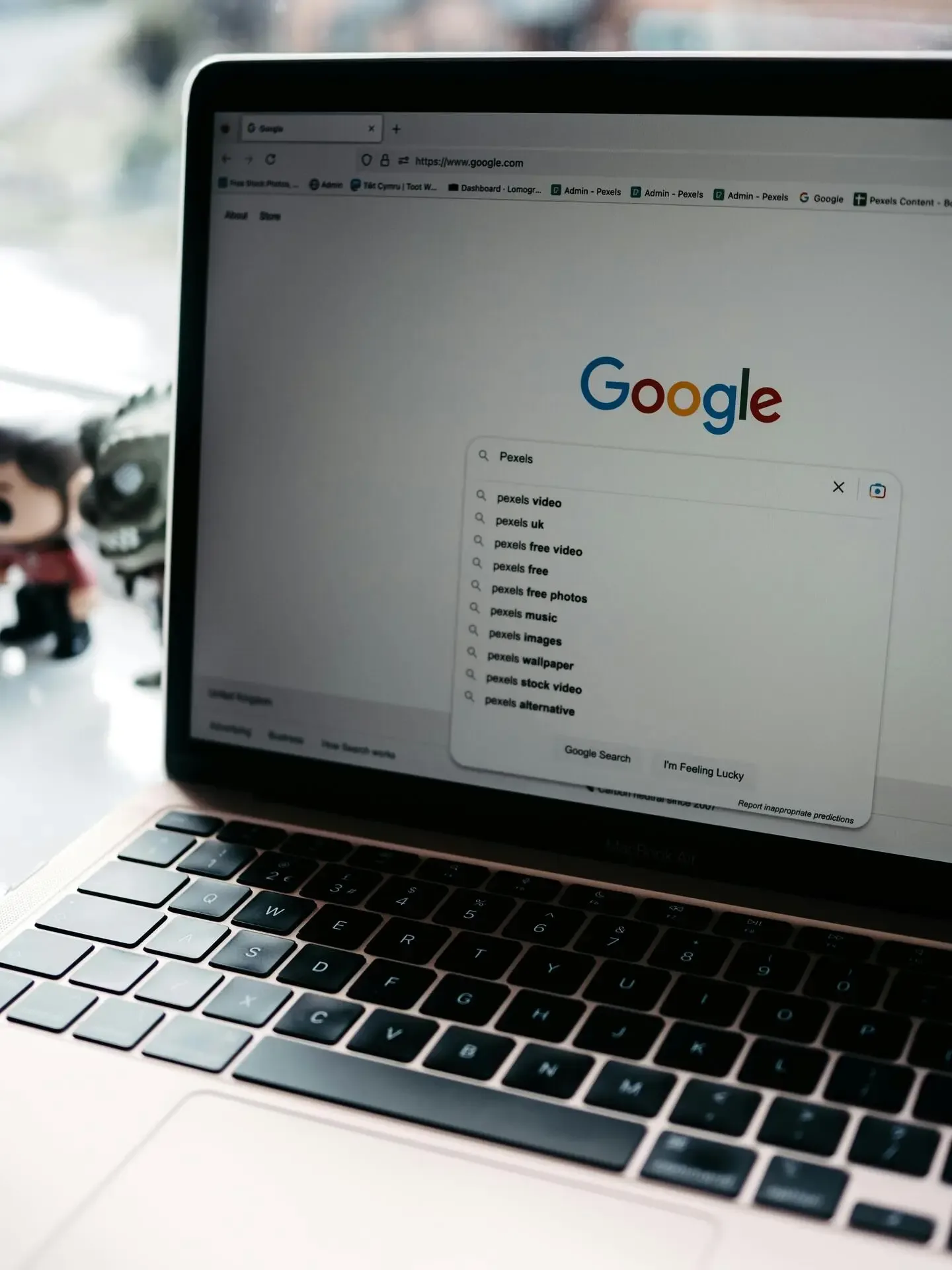
The clicks are disappearing — and most brands have no idea why. A landmark Pew Research Centre study of nearly 69,000 Google searches found that when users saw an AI-generated summary, they clicked through to a traditional website just 8% of the time. Without that AI summary, click-through rates nearly doubled. One in four users who encountered an AI summary simply closed the session entirely, having already gotten what they needed. If you’re measuring your brand’s digital health by traffic alone, you may be tracking the wrong thing entirely.
This isn’t a temporary blip in user behaviour. It’s a structural shift in how people find, evaluate, and choose brands — and it’s unfolding faster than most marketing teams have adapted to. Understanding two emerging disciplines, Answer Engine Optimisation (AEO) and Generative Engine Optimisation (GEO), is now the difference between being cited by AI or being invisible to it.
The Death of the Click Isn’t a Bug — It’s the Design
Search engines were originally designed to direct you somewhere else. The page was just a map. But generative AI has made the map the destination. BrightEdge reported in May 2025 that Google search impressions climbed 49% in the year following the launch of AI Overviews — while click-through rates fell nearly 30% over the same period.
Gartner predicted in early 2024 that traditional search volume would decline 25% by 2026. The precise figure is debatable, but the direction is not. More people are searching. Fewer are leaving the results page. The answer itself has become the product, and the brands embedded inside that answer are the ones getting seen.
AEO vs GEO — Two Disciplines, One Goal
Think of AEO and GEO as two different ways of earning a seat at the AI’s table. Answer Engine Optimisation (AEO) is the tactical layer. It’s about structuring your content so that AI systems can extract a clean, specific response to a user’s question. This means question-based headings, concise answer-first paragraphs in the 40–80 word range, and schema markup like FAQ and HowTo tags. If a user asks “What’s the best way to refinance a mortgage in 2026?” and your content delivers the clearest, most direct answer, AEO is what earns you the citation in a featured snippet or voice assistant result.
Generative Engine Optimisation (GEO) operates at a different altitude. It’s not about one question — it’s about becoming a trusted, authoritative source that platforms like ChatGPT, Perplexity, and Gemini draw from when synthesising broader answers. GEO involves building semantic content clusters, cultivating entity-rich data, earning co-mentions across third-party publishers, directories, and review platforms, and developing multimodal assets that AI models can reference. It’s less about any single page and more about your brand’s overall reputation across the open web.
The 90% Problem Most Brands Are Ignoring
Here’s where things get uncomfortable for most marketing teams. McKinsey’s AI Discovery Survey from August 2025, covering nearly 2,000 consumers, found that a brand’s own website accounts for only 5–10% of the sources AI platforms reference when generating a response. The other 90% comes from publishers, user-generated content, affiliate sites, and review platforms.
This means a brand could have a technically flawless website — perfectly structured, fast-loading, keyword-optimised — and still be nearly absent from every ChatGPT or Gemini response about their industry. Your AEO performance on Google and your GEO footprint across the broader web are not the same thing. Treating them as interchangeable is one of the most expensive assumptions a brand can make right now.
A useful analogy: imagine you’ve decorated your storefront beautifully, but the city’s most influential tour guides have never heard of you. Visitors to the neighbourhood never walk past your door because nobody recommended the route. That’s what poor GEO looks like in practice.
Why Traditional Rankings Are Becoming Irrelevant
BrightEdge’s research surfaced a finding that should rattle every SEO team: 89% of AI Overview citations come from results ranked beyond position 100 in traditional search. The content being cited by AI isn’t necessarily the content sitting at the top of the search results page. Structure, clarity, and authority signals matter far more than ranking position when it comes to AI inclusion.
This breaks one of the most deeply held assumptions in digital marketing — that ranking first means being seen first. In an AI-mediated search environment, the hierarchy of visibility has been fundamentally restructured. A mid-authority site with extraordinarily clear, well-structured, entity-rich content can outperform a market leader in AI citations.
The Business Case for Getting Cited
| Metric | Brands Cited in AI Overviews | Brands Not Cited |
|---|---|---|
| Organic click increase | +35% | Baseline |
| Paid click increase | +91% | Baseline |
| Marketer priority (2026) | GEO ranked #1 by 32% of leaders | — |
| AI-cited content source | 90% from third-party web | 5–10% from brand site |
| ChatGPT monthly visits (Jan 2026) | 5.72 billion (SimilarWeb) | |
| AI Overview citation source rank | 89% from beyond position 100 | |
Seer Interactive’s September 2025 study, drawing on 25.1 million organic impressions across 42 organisations, found that brands cited in AI Overviews earn 35% more organic clicks and 91% more paid clicks compared to brands that were excluded. That paid click figure is particularly striking — it suggests AI citation doesn’t just drive awareness, it accelerates purchase intent in ways that flow directly into conversion channels.
What a Practical AEO + GEO Strategy Actually Looks Like
The brands adapting fastest are treating AEO and GEO as complementary, not competing. AEO handles the specific, transactional queries — the “how do I,” “what is,” “best option for” searches where a clean, direct answer earns the snippet. GEO handles the ambient reputation layer — making sure that when an AI synthesises a broader topic, your brand is part of the conversation it draws from.
Practically, this means investing in coverage across authoritative third-party publications, building structured data that AI models can parse easily, developing topic clusters rather than isolated keyword pages, and treating your Wikipedia presence, Wikidata entity, and review platform profiles with the same seriousness as your own website. It also means auditing where you currently appear — and don’t — in generative AI responses for your category’s most common questions.
What the Next 12–24 Months Will Reveal
The next two years will likely produce a clear bifurcation in brand visibility. Organisations that invest in GEO infrastructure now — third-party presence, structured data, semantic authority — will compound those advantages as AI platforms become more deeply embedded in how people discover products, services, and information. Those that continue optimising exclusively for traditional search rankings risk building on a foundation that the underlying technology is actively eroding.
The more significant long-term question is about power concentration. As AI platforms become the primary gatekeepers of brand discovery, the entities that control those platforms gain enormous influence over which businesses get seen and which disappear. Brands that diversify their AI citation footprint today — across multiple platforms, multiple sources, multiple formats — are building resilience against a future where any single AI system becomes the dominant filter for commercial intent.
If you’re rethinking how your brand shows up in AI-generated answers, I’d recommend starting with a simple audit: ask ChatGPT, Perplexity, and Gemini your customers’ most common questions, and see whether your brand appears at all. What you find might be the most clarifying marketing data you collect this year. For deeper context on how AI is reshaping enterprise strategy and digital infrastructure, explore our related coverage on agentic AI and the future of enterprise search.